

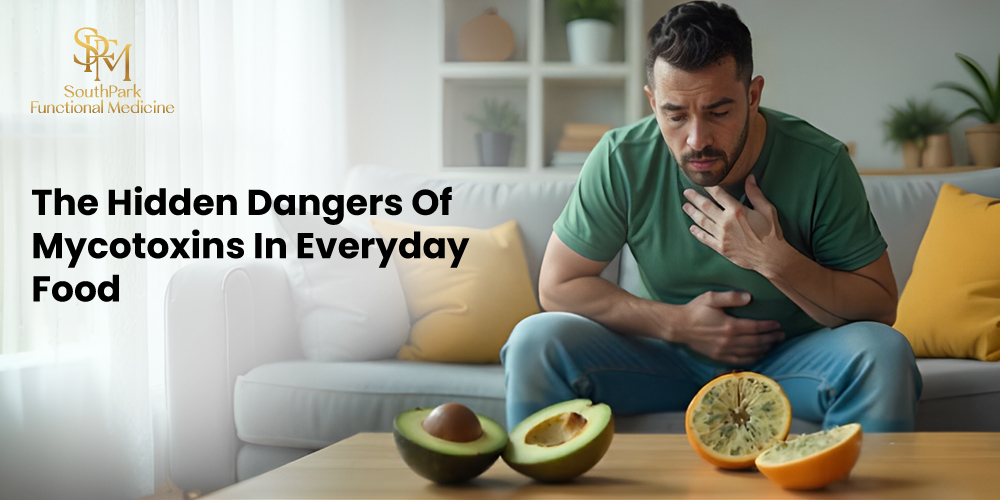
Mycotoxins, also known as mold toxins, are poisonous metabolites produced by mold and fungi. There are several hundred types of mycotoxins—many of which are found in foods we consume every day.
Exposure to mycotoxins can trigger a wide range of symptoms and health issues—some of which can be very serious. Understanding the origins of mycotoxins can help you protect your health and make more informed decisions about the foods you eat.
Here’s what you should know about mycotoxins, and what to do if you think they may be causing health problems.
What Are Symptoms of Mycotoxin Exposure?
Mycotoxins typically produce a wide range of symptoms, especially given that there are several hundred in existence. Different types produce different symptoms, which can make it difficult to diagnose mycotoxicity in a conventional healthcare setting.
Signs and symptoms of mycotoxin exposure include:
- Gastrointestinal issues, including nausea, vomiting, and diarrhea
- Allergic reactions
- Asthma
- Increased sensitivity
- Inflammation of the sinuses (known as sinusitis)
- Nasal irritation
- Neurotoxicity (damage to the brain, nerves, and spinal cord)
- Respiratory infections
- Skin infections
- Fungal infections in the ears and/or nails
- Inflammation of the corneas (known as keratitis)
- Fatigue and brain fog
- Cognitive impairment
- Mood changes and/or mood disorders
If you have one or more of the above symptoms and aren’t sure of the root cause, it’s possible you may have mycotoxicity. Mycotoxin exposure can also put you at risk for chronic conditions, including high blood pressure, Alzheimer’s disease, and cancer.

Which Foods Contain High Amounts of Mycotoxins?
Contaminated foods are one of the most common sources of mycotoxins. Foods with the highest amount of mycotoxins are typically grown, stored, and/or transported in ways that expose them to mold and fungi before they get to your table.
Foods linked to mycotoxicity typically include:
- Grains, such as wheat, corn, and rye
- Nuts, including peanuts, Brazil nuts, and pistachios
- Sugar
- Milk and dairy products
- Hard cheeses, such as cheddar or Monterey Jack
- Coffee beans
- Chocolate
- Dried fruits
- Alcoholic beverages
- Vegetable oils
Ways to Avoid Mycotoxins in Food
Some of the foods above, such as nuts and dairy, have numerous health benefits and shouldn’t necessarily be avoided. Fortunately, you can reduce your exposure to mycotoxins and still enjoy your favorite foods and snacks.
These tips can help you steer clear of mycotoxins in food:
Buy fresh fruits and vegetables (organic, if possible)
In most instances, fresh produce hasn’t been stored or transported over a long distance, and it is less likely to be contaminated with mycotoxins.
Eat fewer processed foods
Processed meals (such as frozen dinners) often contain a long list of ingredients that have been processed in multiple ways, which increases the risk of mycotoxins. Processed foods are also typically stored for long periods on shelves and in warehouses.
Store pantry foods in a dry, cool location
Heat, moisture, and humidity can promote the development of mold and fungi on pantry foods not stored properly.
Avoid buying from bulk bins at the supermarket
Nuts, seeds, dried fruits, and trail mixes stored in bulk bins are more susceptible to mycotoxins, particularly when accessed multiple times throughout the day by shoppers and workers.
Buy whole nuts and seeds, instead of chopped
Whole nuts are less likely to contain mycotoxins than chopped nuts, as they undergo fewer (if any) processing methods.
Buy from quality, trustworthy brands
Look for food brands that prioritize quality and safety, particularly in their ingredient selection and growing and manufacturing processes.
Clean your coffee and espresso makers regularly
Coffee beans are a common breeding ground for mycotoxins and can contaminate the components in your coffee maker.
Buy coffee beans from quality roasters and suppliers
Some of the best coffee companies routinely test for pesticides and mycotoxins, and they may even feature testing methods and results on their websites.
Focus on eating a variety of diverse foods
This can go a long way toward helping you avoid mycotoxins if you tend to eat high amounts of nuts, dried fruits, and other foods that pose a risk. Eating a variety of foods can also help you identify which foods may be linked to your symptoms.

Treatments for Mycotoxicity
If you suspect mycotoxins are the root cause of your symptoms, a functional medicine doctor can work with you to develop a personalized treatment plan. Mycotoxicity treatment usually focuses on detoxification, and on removing the harmful toxins from your system.
These treatments can support the body’s natural detoxification process:
Low-mold diet
This involves eliminating foods like coffee and hard cheeses from the diet that are known to contribute to mycotoxicity. Dietary changes may also help correct nutritional deficiencies caused by toxins.
Gut support
Mycotoxins cause inflammation, which can disrupt the gut microbiome, leading to other health issues beyond mycotoxicity. Gut health can often be improved with probiotic foods and supplements.
Eliminate the source of toxins
Mold and fungi problems in your home or work environment can often exacerbate mycotoxicity from foods. Have your environments inspected regularly and address any leaks or other issues that contribute to your condition.
Start sweating
Toxins can leave your body through sweat. Participate in activities that make you sweat to expel toxins more quickly, such as exercising regularly or sitting in a sauna.
Take supplements
Certain types of nutritional supplements can support your immune system and help push waste and toxins from your body. Supplements that may help include omega-3s, vitamin D, and reishi mushrooms.
Functional medicine physicians can perform mycotoxin testing to identify the exact types of mycotoxins in your body. This approach is highly effective, given how some mycotoxins respond better to certain treatments and supplements than others.
Mycotoxicity Treatment With SouthPark Functional Medicine
Do you think you may have been exposed to mycotoxins? Dr. Mahtani at SouthPark Functional Medicine can identify the root causes of your symptoms and help you recover from any related conditions. Contact Dr. Mahtani today at 980-414-4600 or email reception@southparkfm.com to request a consultation and learn more about how our Charlotte, NC, clinic can help.
FAQ
What are mycotoxins and how do they affect the body?
Mycotoxins are toxic compounds produced by certain molds. When consumed or inhaled, they can trigger fatigue, brain fog, gut issues, allergies, and immune dysfunction.
Which foods are most likely to contain mycotoxins?
Common sources include grains, coffee, nuts, dried fruits, and dairy from mold-exposed animals. Choosing organic and well-stored foods helps reduce exposure.
How do I know if I have mycotoxin exposure?
Symptoms often include headaches, digestive problems, anxiety, and unexplained fatigue. Functional medicine testing, like urine mycotoxin analysis, can confirm exposure.
How does Functional Medicine treat mycotoxin toxicity?
Functional medicine targets the root cause by identifying specific mycotoxins and removing exposure sources. Treatment includes detox support, natural binders, gut repair, and personalized nutrition to restore balance and boost recovery.
How can I prevent mycotoxin exposure in daily life?
Store food in cool, dry conditions, use HEPA air filters, fix water leaks quickly, and eat a clean, nutrient-rich diet to strengthen your body’s natural defense.
